




Why choose us? Our customers say...
Are Blue Diamonds Good for Engagement Rings?
Yes, blue diamonds are good for engagement rings. They have the same hardness as other diamonds, so they are well suited to daily wear when the stone is set properly and the ring is made with care.
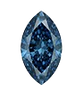
What makes them different is not durability but rarity and appearance. A blue diamond gives the ring a cooler tone and a much less expected look than a standard white diamond. Some stones show a lighter misty blue, while others carry a richer and more saturated colour. That variation gives the ring a very different mood depending on the stone selected.
It is also worth understanding that not all blue diamonds are the same in origin. Some are natural in colour, while others have been treated to create or strengthen a blue appearance. That changes both rarity and price, which is why certification and full disclosure matter. A blue diamond for engagement ring design works best when the stone is understood first and the ring is then built around its actual colour, proportions, and character.

Carat Sizes & What to Expect
Size becomes a bigger conversation with blue diamonds because availability changes sharply as carat weight rises. Even small natural blue diamonds are uncommon, so larger stones sit in a much narrower part of the market.
2ct Blue Diamond Engagement Ring
A 2ct blue diamond engagement ring is already in a very rare range. Stones of this size are not commonly available through ordinary retail listings, especially where natural colour and strong grading are important.
When the main stone is smaller, halo settings can help build a stronger overall look. They add spread, define the centre more clearly, and allow the blue colour to stand out without forcing the design to rely on size alone.
3 Carat Blue Diamond Engagement Ring
A 3 carat blue diamond engagement ring is far rarer again. At that level, the stone moves into a part of the market where scarcity and value become central to the conversation.
The same applies to 3 ct blue diamond engagement rings in general. Stones at this size usually need specialist sourcing, and the final ring is normally designed only after the diamond has been secured, assessed, and certified.
Popular Blue Diamond Engagement Ring Style
Shape plays a major role in blue diamond engagement rings because coloured stones do not read the same way as white diamonds. The cut affects the outline of the ring, the spread of colour across the face-up view, and how bold or restrained the finished piece feels.
Oval Blue Diamond Engagement Rings
A blue diamond engagement ring oval design gives length, softness, and a broad face-up view of the stone. That makes it a strong choice where the colour needs room to show and the ring should still feel balanced on the hand.
Oval blue diamonds work especially well in solitaires and light halos. The shape has enough elegance to stay refined, but it still carries clear presence once worn.
Pear-Shaped Blue Diamond Rings
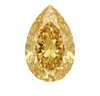
Blue diamond engagement rings pear styles bring more movement into the design. The pointed end gives definition, while the rounded end adds width and visual weight to the centre stone.
That contrast in shape can make a blue diamond feel even more distinctive. Pear cuts suit rings that need a sharper silhouette and a centre stone with more drama.
Heart-Shaped Blue Diamond Engagement Rings
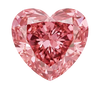
Blue heart shaped diamond engagement rings combine a very expressive cut with a rare diamond colour. The heart shape is already symbolic, and the blue tone pushes it further away from a standard bridal look.
This style needs careful finishing. The cleft, symmetry, and claw placement all have to be right, otherwise the outline can lose clarity once the stone is set. With rare coloured diamonds, those details matter more, not less.
Bespoke Blue Diamond Engagement Rings in the UK
A ring of this type usually starts with the stone, not the setting. Colour strength, natural or treated origin, certification, cut, and proportion all need to be reviewed before a final design direction makes sense. Once those points are clear, the setting can be made around the actual diamond rather than adapted from a stock mount.
In the UK, blue diamond engagement ring UK enquiries are usually best handled through private consultation. That gives enough room to compare colour grades, explain the
difference between natural and treated stones, and discuss which cuts and metal colours will work best with the diamond selected. It also allows proper attention to certification and transparency.
Mouza offers that approach through private sourcing, made-to-order manufacturing, and clear guidance on certification and stone origin. That matters in blue diamonds because appearance alone is not enough. The background of the stone and the way it will be made into a finished ring are just as important.
If the aim is to source a blue diamond engagement ring in the UK, the most useful starting point is a direct enquiry based on preferred colour, approximate size, and the type of ring that needs to be made.
Become An Expert

How Much Does a Diamond Cost in the UK? (2026 Price Guide by Carat Size)

Bespoke vs Off-the-Shelf: What’s Hatton Garden Best For?

Lab-Grown Diamonds in Hatton Garden: A 2026 Jeweller's Guide
Blue Diamond Engagement Ring FAQs
Are blue diamonds good for engagement rings?
Yes. Blue diamonds are suitable for engagement rings because they offer the same hardness as other diamonds. Their rarity and colour make them unusual, but they are still practical for regular wear when set properly.
How rare are blue diamond engagement rings?
They are extremely rare. Natural blue diamonds make up only a tiny part of the diamond market, and stones in finer colours or larger sizes are especially difficult to source.
How much is a blue diamond engagement ring in the UK?
The price depends on whether the stone is natural or treated, along with colour grade, size, cut, certification, and the design of the ring. Natural blue diamonds are generally much more expensive because of their scarcity.
Why are blue diamonds so expensive?
They are expensive because the supply is so limited, especially in stronger colour grades and larger carat weights. Natural colour also carries a significant premium.
Are blue diamonds natural or treated?
Both exist. Some blue diamonds are natural in colour, while others are treated to produce or intensify a blue appearance. That is why clear certification and disclosure are essential.
What does a blue diamond engagement ring mean?
A blue diamond engagement ring is often linked to calm, loyalty, depth, and individuality. The colour gives the ring a more distinctive and less conventional character.
Can you buy blue diamond engagement rings in the UK?
Yes, but the finer stones are usually sourced through consultation rather than taken from broad standard stock. That is particularly true for natural stones and rarer sizes.
Are blue diamond engagement rings a good investment?
They can be, especially where the stone is natural, certified, and hard to replace. As with any rare coloured diamond, value depends on rarity, quality, and provenance.
What is the difference between a blue diamond and a sapphire engagement ring?
A blue diamond and a sapphire are different gemstones. A diamond is harder, and a natural blue diamond is generally much rarer. The colour character is also different, with blue diamonds often showing a more unusual and high-value appearance.
Which cut looks best for a blue diamond engagement ring?
The best cut depends on the stone and the design direction. Oval, pear, and heart shapes are all strong options because they give a clear outline and let the coloured centre remain the focus.
Are blue diamond engagement rings available in yellow gold?
Yes. Blue diamond engagement rings can be made in yellow gold, white gold, rose gold, or platinum. The choice depends on whether the ring needs more warmth, more contrast, or a cooler overall finish.
