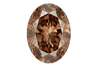
What is an oval cut diamond?
An oval diamond is essentially a round brilliant diamond that's been stretched into an elongated shape, with the same 58 facets, the same level of sparkle, just a different outline. Because it has no corners or points, it's naturally durable and very comfortable to wear every day. And that elongated shape does something most others don't: it makes the finger look longer and slimmer, which is one of the reasons so many people fall for it the moment they try one on.
Why are oval diamond engagement rings so popular?
Honestly, once you try one on it's pretty obvious. Oval diamonds look bigger than they are, which means you get more visual impact for the same budget. They suit almost every metal and setting style — yellow gold, white gold, bezel, solitaire, diamond band without ever looking out of place. And they pair especially well with a marquise-style wedding band, which is a combination a lot of our customers end up choosing once they see it in person.
What is the ideal length-to-width ratio for an oval diamond?
The length-to-width ratio of an oval diamond determines its overall shape and appearance:
Classic oval (1.30 – 1.45):A rounder, softer oval. Traditional and universally flattering.
Standard oval (1.45 – 1.55): The most popular ratio — balanced proportions that suit all settings.
Elongated oval (1.55 – 1.70+): A long, slender shape that creates a bold, dramatic look and maximises the finger-lengthening effect.
When you visit our showroom in hatton garden, we will help you compare ratios side by side so you can see exactly which shape suits your hand and style best.
What is the best setting for an oval diamond engagement ring?
The right setting makes an oval diamond look exceptional. Popular choices include:
- Solitaire: A clean, classic choice that lets the oval shape take centre stage. Available in yellow gold, white gold, rose gold, and platinum.
- Bezel: A full or partial metal surround that protects the diamond while giving a modern, understated look. Particularly popular for those who are active or work with their hands.
- Hidden Halo: A discreet ring of smaller diamonds set beneath the oval, adding brilliance without overpowering the main stone.
- Diamond Band: A pavé or channel-set diamond band adds continuous sparkle that complements the oval beautifully.
- Trilogy: A three-stone design with the oval as the centre stone, flanked by two side stones — often rounds, pears, or tapered baguettes.
- Toi et Moi: A romantic two-stone setting pairing an oval diamond with a contrasting shape, symbolising two individuals coming together.
Visit us in Hatton Garden to try these settings on and see which suits you best.
What gold should I choose for an oval diamond ring?
The choice of metal changes the character of an oval diamond significantly:
- Yellow gold (18k): Warm and classic, yellow gold enhances the natural colour of a near-colourless oval diamond and pairs beautifully with the curved oval shape. A timeless choice.
- White gold (18k): Cool and contemporary, white gold maximises the whiteness and sparkle of an oval diamond and creates a clean, modern look.
- Rose gold (18k): Warm and romantic, rose gold has become a popular choice for oval diamonds, especially in solitaire and bezel settings.
- Platinum: The most durable and naturally white of all metals, platinum is ideal for those who want a low-maintenance, enduring ring.
Our team will help you choose the metal that works best for your skin tone, lifestyle, and budget.
What carat size should I choose for an oval diamond ring?
Because oval diamonds appear larger than round diamonds of the same carat weight, they offer excellent value. As a guide for oval engagement rings:
- 0.75ct – 1.00ct: Elegant and wearable for everyday use. A well-cut oval in this range looks beautiful in a solitaire or bezel setting.
- 1.00ct – 1.50ct: The most popular range for oval engagement rings. Significant presence on the hand without being overpowering.
- 1.50ct – 2.00ct: Bold and striking. Ideal for those who want a statement ring. The elongated oval shape wears very comfortably at this size.
- 2.00ct+: Exceptional presence. Our team can source GIA-certified oval diamonds in this range for both natural and lab grown stones.
Come into the showroom and we will show you a range of carat sizes side by side — the difference is always more apparent in person than on a screen.
What is the prettiest cut of a diamond?
This is one of those questions that sounds like it should have a definitive answer but honestly, it comes down to the person wearing it. Round brilliant diamonds are the most popular cut in the world and produce the most light and sparkle of any shape. Oval cuts have overtaken almost everything else in recent years because they combine that same brilliance with a more distinctive, elongated silhouette. Cushion, pear, and emerald cuts all have their own devoted following too. What we'd say is this: the prettiest cut is the one that makes you stop and stare when you try it on. Come into the showroom and we'll let the diamonds do the talking.
Is an oval a good diamond cut?
It's one of the best and we're not just saying that. Oval diamonds are cut to the same brilliant facet pattern as round diamonds, which means they produce exceptional sparkle and light return. They also have no corners or points, making them naturally durable and practical for everyday wear. Add in the fact that they appear larger than their carat weight, suit virtually every setting style and metal, and look flattering on all hand shapes and it's not hard to see why oval has become one of the most requested cuts at our Hatton Garden showroom. If you're considering one, the answer is almost always yes.
Do oval cut diamonds look bigger?
Yes, and noticeably so. Because of their elongated shape, oval diamonds have a larger surface area than round diamonds of the same carat weight, which means more of the stone is visible when viewed from above. As a rule of thumb, a 1 carat oval diamond can appear closer in size to a 1.25 or even 1.30 carat round. That size advantage is one of the main reasons customers choose oval — and it's even more pronounced with lab grown oval diamonds, where the same budget buys a meaningfully larger stone. Come in and compare a few side by side, you'll see exactly what we mean.