



Why choose us? Our customers say...
Are Pink Diamonds Good for Engagement Rings?
Yes, pink diamonds are good for engagement rings. They have the same hardness as other diamonds, so they are suitable for everyday wear when the ring is made properly and the setting protects the stone well.
What makes them different is the look rather than the durability. Pink diamonds bring warmth and colour in a way that still feels subtle compared with stronger fancy colours. A ring can feel soft, modern, romantic, or highly unusual depending on the tone of pink and the style of setting.
This is also a category where origin should never be left vague. Some pink diamonds are natural, some are lab-grown, and some may also be treated to influence colour. That affects rarity, value, and the way the ring should be described. The best outcome usually comes from selecting the actual stone first and then building the ring around its colour, size, and proportions.

Popular Pink Diamond Engagement Ring Style
Shape matters a great deal in pink diamond engagement rings because the cut changes how the colour sits across the stone and how prominent the diamond feels once worn.
Oval Pink Diamond Engagement Rings
An oval pink diamond ring gives a longer outline and a softer overall look. The shape spreads the face-up area nicely, which can help the colour feel more visible without making the ring look heavy.
Oval cuts work well for pink diamonds because they balance elegance with presence. They suit simple solitaire settings, hidden halos, and finer designs where the centre stone needs to remain the main focus.
Pear-Shaped Pink Diamond Rings
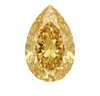
Pear-shaped pink diamond rings bring a little more contrast into the design. The pointed end creates direction, while the fuller rounded end gives the centre stone visual weight.
That can work particularly well with pink diamonds because the shape adds character without needing too much extra detail around it. A pear cut often suits a ring that should feel distinctive but still refined.
Heart-Shaped Pink Diamond Engagement Rings
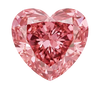
Heart-shaped pink diamond rings have an obvious emotional pull, but they also need careful cutting. The shape only works when the symmetry is clear and the outline stays crisp once the stone is set.
With pink diamonds, the heart shape can feel expressive without becoming too obvious or overworked. It is usually strongest when the setting stays clean and allows the colour and outline to speak for themselves.
Pink Diamond Carat Sizes & What to Expect
Carat size needs to be discussed realistically with pink diamonds. Larger sizes are harder to find in natural stones, especially when colour quality is also important.
1 Carat and Under
A large part of the natural pink diamond market sits in smaller sizes. That does not reduce the appeal. In many cases, a smaller pink diamond with a stronger colour will have more presence than a larger stone with weaker colour.
2ct Pink Diamond Engagement Rings
A 2 carat pink diamond ring moves into a far narrower part of the market, particularly when the diamond is natural and the colour is attractive. Stones at this level usually need more targeted sourcing, and certification becomes even more important.
Halo settings are often useful here because they can increase the spread of the ring and make the centre more visually prominent without taking attention away from the pink diamond itself.
Larger Pink Diamonds
Once a pink diamond moves beyond 2 carats, rarity becomes a major part of the discussion. Availability drops quickly, and the price can rise sharply depending on colour intensity, clarity, and origin.
That is one reason many buyers compare natural and lab-grown options more seriously at larger sizes. A lab-grown pink diamond can provide a similar colour direction in a bigger size range, while a natural pink diamond carries the rarity and collector value that many buyers are specifically looking for.

Bespoke Pink Diamond Engagement Rings in Hatton Garden
A pink diamond ring usually starts with the stone rather than the setting. Colour strength, natural or lab-grown origin, any treatment history, cut, proportion, and certification all need to be reviewed before a final design is agreed.
That is why pink diamonds in Hatton Garden are best approached through consultation and made-to-order work rather than a quick stock-based decision. The diamond needs to be understood properly first. Once that is clear, the setting can be designed to suit the actual measurements, colour, and overall character of the stone.
Mouza offers that process through private sourcing, made-to-order manufacturing, and guidance on grading and certification. This matters in coloured diamonds because two stones can appear similar at first glance while being very different in rarity, value, and origin.
For anyone looking at pink diamonds in Hatton Garden, the most useful starting point is a discussion around preferred colour, expected size, natural versus lab-grown preference, and the style of ring required.
Natural and Lab-Grown Pink Diamonds
This distinction should be clear throughout any discussion of pink diamonds. A natural pink diamond formed in the earth and is valued largely because it is rare. A lab-grown pink diamond is still a real diamond in physical and chemical terms, but it was created in controlled conditions rather than formed naturally over geological time.
That difference matters most in rarity, value, and buying expectations. Natural pink diamonds are much scarcer and usually much more expensive. Lab grown pink diamond rings can make the look of a pink diamond available at a lower price point and in larger sizes, which makes them relevant for buyers who care more about colour and design than geological rarity.
There is another point that should not be overlooked. Natural and lab-grown diamonds can both be treated, so clear grading and disclosure are essential. The buyer should know whether the stone is natural, laboratory grown, untreated, or colour treated before the ring is purchased.
The right choice depends on priority. If the goal is rarity, natural origin, and long-term collectability, a natural pink diamond is the stronger fit. If the aim is to achieve the pink diamond look within a broader budget or size range, a lab-grown option may be more practical. The key is simple: the stone should be described accurately, with certification that supports what is being offered.
Become An Expert

How Much Does a Diamond Cost in the UK? (2026 Price Guide by Carat Size)

Bespoke vs Off-the-Shelf: What’s Hatton Garden Best For?

Lab-Grown Diamonds in Hatton Garden: A 2026 Jeweller's Guide
Pink Diamond Engagement Ring FAQs
Are pink diamonds good for engagement rings?
Yes. Pink diamonds are suitable for engagement rings because they have the same hardness as other diamonds. They are chosen for colour, rarity, and individuality rather than durability concerns.
Are pink diamonds rare?
Yes, natural pink diamonds are among the rare and highly valued colours in the diamond market. Colour intensity, size, and certification all affect how scarce a particular stone is.
What is the difference between natural and lab-grown pink diamonds?
A natural pink diamond formed in the earth and is priced partly because of its rarity. A lab-grown pink diamond has the same basic diamond structure, but it is created in controlled conditions. Both can be real diamonds, but they do not carry the same scarcity or market value.
Are lab grown pink diamond rings real diamonds?
Yes. Lab-grown pink diamonds are real diamonds in chemical and physical terms. The difference is origin, not whether they are diamonds. What matters is clear disclosure and correct certification.
Are pink diamonds treated?
Some pink diamonds may be natural in colour, while others can be treated to alter or strengthen their appearance. That is why grading reports and full disclosure are important before purchase.
How much do pink diamond engagement rings cost?
The price depends on whether the stone is natural, lab-grown, or treated, together with colour strength, size, clarity, cut, and the design of the ring. Natural pink diamonds usually command much higher prices because they are rarer.
Can you buy pink diamonds in Hatton Garden?
Yes. There is strong interest in pink diamonds in Hatton Garden, but the better stones are usually sourced through consultation rather than chosen from broad standard stock, especially where natural pink diamonds are involved.
Which cut works best for a pink diamond ring?
There is no single best cut for every stone. Oval, pear, and heart shapes can all work well because they show colour clearly and give the ring a distinct outline.
Are pink diamond engagement rings available in yellow gold?
Yes. Pink diamond engagement rings can be made in yellow gold, white gold, rose gold, or platinum. The choice of metal depends on whether the ring needs added warmth, contrast, or a cleaner cooler finish.
