



5 Coloured Diamond Engagement Ring Trends Taking Over Hatton Garden in 2026
The landscape of engagement rings in London is shifting. While the classic white diamond solitaire remains a cornerstone of the industry, we are seeing a significant and sustained movement towards colour.
Over the past years working as a gemologist in Hatton Garden, I have watched coloured diamonds transition from a niche request to a central part of our bespoke design process. In 2026, coloured diamond engagement rings are no longer just an alternative choice; they are a primary consideration for clients who want a ring that feels entirely distinct.
This shift is driven by two factors. First, a growing desire for individuality in fine jewellery. Second, the increasing accessibility of high-quality lab-grown coloured diamonds, which has opened up the market for pinks, blues, and yellows that were previously out of reach for many budgets.
In this guide, we will examine the five coloured diamond engagement ring trends that are dominating London in 2026, exploring why they are popular, how to wear them, and what you need to know before you buy.
2026 Coloured Diamond Trends at a Glance
|
Trend |
Key Characteristic |
Why It's Popular in 2026 |
Best Setting Style |
|
Yellow Diamonds |
Accessible entry to fancy colour |
Wide range of intensities; celebrity influence |
Yellow gold solitaire or bezel |
|
Pink Diamonds |
Extreme rarity in natural stones |
Argyle mine closure; lab-grown accessibility |
Rose gold halo or three-stone |
|
Blue Diamonds |
Cool, modern aesthetic |
Sapphire alternative with diamond durability |
Platinum bezel |
|
Toi et Moi |
Two stones, contrasting colours |
Maximum individuality and personalisation |
Plain platinum or gold band |
|
Green Diamonds |
The rarest natural colour |
True connoisseur appeal; highly unusual |
Yellow gold trilogy |
Trend 1: Yellow Diamonds — The Gateway to Fancy Colour

Yellow diamond bezel engagement ring — 18k yellow gold
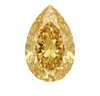
If you are considering stepping away from a traditional white diamond, yellow diamonds are almost certainly where your research will begin. In 2026, yellow diamond engagement rings are the most requested fancy colour in our Hatton Garden showroom.
Why it's trending
Yellow diamonds represent the most accessible entry point into the world of fancy coloured stones.
In the natural diamond market, they are relatively more abundant than pinks, blues, or greens. This availability means that a natural yellow diamond, while still a premium purchase, does not carry the extreme price multipliers associated with rarer colours.
Furthermore, yellow diamonds offer an incredible spectrum of choice.
The GIA grading scale for yellow diamonds ranges from Faint and Light through to Fancy, Fancy Intense, and Fancy Vivid. This allows clients to choose exactly how much colour they want, from a subtle, warm champagne glow, Buttery yellow to a striking, saturated canary yellow.
The trend has also been heavily influenced by high-profile celebrity engagements.
Rings featuring large, vivid yellow diamond centre stones have driven significant search interest and demonstrated how spectacular a coloured centre stone can look.
How we are setting them
To maximise the colour of a yellow diamond, the setting is critical. We almost exclusively set the basket and prongs holding the stone in yellow gold.
The reflection of the yellow metal amplifies the perceived saturation of the diamond.
For the band itself, clients often choose platinum or white gold to create a crisp contrast, or a full yellow gold band for a seamless, rich aesthetic.
The cushion cut remains the most popular shape for yellow diamonds, as its deep pavilion helps to concentrate the colour.
Trend 2: Pink Diamonds — Rarity Driving Demand

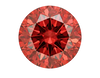
Pink diamond trilogy engagement ring — 18k yellow gold
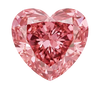
Pink diamond engagement rings carry a unique mythology in the jewellery world.
They are inherently romantic, undeniably feminine, and historically, exceptionally difficult to acquire.
Why it's trending
The current surge in demand for pink diamonds is directly tied to supply.
In 2020, the Argyle mine in Western Australia ceased operations. For decades, this single mine was responsible for producing over 90% of the world's natural pink diamonds.
With the mine closed, the supply of new natural pink stones has effectively halted.
Consequently, the value and desirability of existing natural pink diamonds have skyrocketed.
However, the trend in 2026 is not solely driven by multi-million-pound natural stones.
The advancement of lab-grown diamond technology has fundamentally changed the landscape.
High-quality lab-grown pink diamonds are now available, allowing clients to access this highly coveted colour at a fraction of the cost of a natural stone.
This has democratised the pink diamond, turning it from an impossible dream into a realistic option for a bespoke engagement ring.
How we are setting them
Pink diamonds require careful handling to ensure their colour is not washed out.
We frequently set them in 18k rose gold, which complements and enhances the pink hues.
A very popular design in our London workshop is the pink diamond trilogy a pink centre stone flanked by two white pear-shaped diamonds.
The stark contrast between the white side stones and the pink centre makes the colour appear more vivid and saturated.
Trend 3: Blue Diamonds in a Bezel Setting

Blue diamond emerald-cut bezel engagement ring — platinum
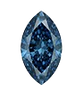
While yellow and pink diamonds lean towards warmth and romance, blue diamonds offer something entirely different: a cool, sleek, and highly modern aesthetic.
Why it's trending
For years, clients seeking a blue engagement ring defaulted to sapphires. While sapphires are beautiful, they do not possess the refractive index or the extreme hardness of a diamond.
Blue diamonds provide the best of both worlds: the striking colour of a sapphire combined with the unmatched fire, brilliance, and durability of a diamond.
In 2026, the defining trend for blue diamonds is pairing them with a bezel setting.
A bezel setting encircles the entire perimeter of the diamond with a thin rim of precious metal, rather than holding it with traditional prongs. This setting style is incredibly secure, and visually, the clean, unbroken line of a bezel perfectly complements the icy, modern tone of a blue diamond.
It is a minimalist, architectural approach to fine jewellery that appeals strongly to clients who want a ring that feels contemporary and robust.
How we are setting them
Platinum is the undisputed metal of choice for blue diamonds.
The bright, white finish of platinum enhances the cool tones of the blue stone without introducing any conflicting warmth.
We are seeing strong demand for emerald-cut blue diamonds set in sleek, low-profile platinum bezels the step-cut facets of the emerald cut create a hall-of-mirrors effect inside the blue stone that is truly spectacular.
Trend 4: Toi et Moi with a Coloured Diamond Pairing

Toi et moi ring — pear-cut pink diamond and oval white diamond, platinum
The toi et moi (French for "you and me") ring features two stones set side by side on a single band.
While the style has historical roots dating back to Napoleon Bonaparte, it has experienced a massive resurgence since 2022. In 2026, the trend has evolved: the most sought-after toi et moi rings now feature a coloured diamond pairing.
Why it's trending
The appeal of the toi et moi ring lies in its symbolism and its capacity for personalisation. It represents two individuals coming together. By introducing coloured diamonds into the design, the level of individuality is exponentially increased.
Clients are moving away from matching stones and instead embracing contrast pairing a classic white diamond with a vibrant fancy coloured diamond, often mixing shapes as well as colours.
How we are setting them
The combinations are entirely bespoke, but some pairings have emerged as clear favourites.
A crisp white oval diamond paired with a soft pink pear-cut diamond is highly requested. Because the stones themselves are so visually complex, we typically recommend keeping the band simple a plain platinum or 18k gold band allows the two diamonds to command full attention.
Trend 5: Green Diamonds — The Connoisseur's Choice

Green diamond trilogy engagement ring — 18k yellow gold
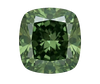
Of all the trends emerging in 2026, the rising interest in green diamonds is perhaps the most fascinating for a gemologist. Green diamonds are the ultimate connoisseur's choice.
Why it's trending
Natural green diamonds are genuinely one of the rarest phenomena in the gemological world. Unlike other coloured diamonds, where the hue is caused by trace elements incorporated during the crystal's growth, natural green diamonds acquire their colour through exposure to natural radiation deep within the earth over millions of years. This unique formation process makes them incredibly scarce.
As buyers become more educated about diamonds, there is a growing segment of the market that seeks out the truly unusual. The rarity of the green diamond is driving its appeal among clients who want an engagement ring that is not just beautiful, but geologically extraordinary.
How we are setting them
Green diamonds possess a subtle, earthy beauty. They look exceptional in a trilogy setting a green centre stone flanked by two white diamonds creates a balanced, elegant design.
The white side stones provide a brilliant contrast that helps to highlight the specific tone of the green centre diamond.
Natural vs Lab-Grown Coloured Diamonds
When discussing coloured diamond engagement rings, it is essential to address the distinction between natural and lab-grown stones. Both are available, and the choice ultimately depends on your priorities.
Natural Coloured Diamonds: Natural fancy coloured diamonds are miracles of nature. Their value is derived from their extreme rarity. If you are purchasing a natural pink, blue, or green diamond, you are acquiring a geological anomaly.
These stones command a significant premium and are often viewed as legacy pieces or investments.
Lab-Grown Coloured Diamonds: Lab-grown diamonds are chemically, physically, and optically identical to natural diamonds. For coloured diamonds, the lab-grown market has been revolutionary. It allows clients to access vivid pinks, deep blues, and bright yellows at a price point that is typically 50–70% less than an equivalent natural stone. Regardless of origin, the stone should always be accompanied by an independent certificate.
The Importance of Cut in Coloured Diamonds
With a white diamond, the primary objective of the cut is to maximise light return.
With a fancy coloured diamond, the objective changes entirely the primary goal is to maximise colour saturation. Diamond cutters often use modified cuts with deeper pavilions and different facet arrangements, designed to trap light within the stone for longer, forcing it to absorb more of the diamond's inherent colour before exiting.
The radiant cut and the cushion cut are particularly effective at intensifying colour, which is why they are the most common shapes for yellow and pink diamonds.
The emerald cut offers a different aesthetic it provides a clear, unobstructed view into the heart of the stone, making it an excellent choice for diamonds with exceptional clarity and a pure, even hue.
Understanding Colour Distribution and Tone
Tone refers to the lightness or darkness of the colour. The most valuable coloured diamonds strike a perfect balance a vivid, saturated hue with a medium tone that allows the colour to shine brightly without appearing overly dark.
Distribution refers to how evenly the colour is spread throughout the stone. A GIA certificate will note whether the colour distribution is "Even" or "Uneven." For an engagement ring, an even distribution is highly desirable, as it ensures the stone looks beautiful and consistent from every angle.
The Role of Fluorescence in Coloured Diamonds
Fluorescence refers to a diamond's tendency to emit a soft glow when exposed to ultraviolet light. In yellow diamonds, strong blue fluorescence can sometimes detract from the yellow colour, making it appear slightly weaker. Therefore, yellow diamonds with faint or no fluorescence are generally preferred. In some pink or blue diamonds, specific types of fluorescence can actually complement the stone's natural colour. Understanding how fluorescence interacts with a diamond's specific hue requires expert knowledge which is why buying a coloured diamond online is inherently risky.
Bespoke Design: Crafting the Perfect Mount
The journey of creating a coloured diamond engagement ring does not end with selecting the stone; the design of the mount is equally critical.
Every detail matters: the placement and shape of the prongs, the under-bezel detailing, and the profile of the band all influence how the ring looks and wears.
By managing the entire manufacturing process in the UK, we maintain absolute control over these details, resulting in a ring that is truly exceptional.
How to Choose Your Coloured Diamond
Selecting a coloured diamond is a fundamentally different process from buying a white diamond. Here is how we advise clients to approach the process:
1. See them in person: You cannot buy a coloured diamond based on a photograph or a screen. You must view the stone in person, under natural daylight.
2. Demand certification: Never purchase a fancy coloured diamond without independent certification, ideally from the GIA.
The certificate will confirm the exact colour grade and whether the colour is natural or the result of artificial treatment.
3. Explore both origins: Keep an open mind regarding natural and lab-grown options. We can show you both side by side, allowing you to make an informed decision based on visual appeal and budget.
4. Focus on the setting: The right bespoke setting will enhance the colour of your diamond; the wrong setting can wash it out.
Frequently Asked Questions
What is the most popular coloured diamond engagement ring in 2026?
Yellow diamonds remain the most popular fancy coloured choice. They offer a beautiful, warm aesthetic and are more accessible than rarer colours like pink or blue. The yellow cushion-cut diamond, set in 18k yellow gold, is currently the most requested coloured diamond design.
Are coloured diamonds more expensive than white diamonds?
It depends entirely on the colour and the origin. Natural fancy coloured diamonds (especially pinks, blues, and greens) are significantly rarer than white diamonds and command much higher prices. However, natural yellow diamonds can sometimes be comparable in price to high-quality white diamonds. Lab-grown coloured diamonds are generally much more affordable.
What is the rarest coloured diamond?
Red diamonds are the rarest of all fancy coloured diamonds, followed closely by green and blue. Natural red diamonds are so scarce that only a handful are mined each year, and they are almost exclusively sold at high-end auctions or to private collectors.
Can you get GIA-certified coloured diamonds in the UK?
Yes. Any reputable jeweller in the UK should provide independent certification for their diamonds. Every natural coloured diamond we supply comes with a GIA certificate, ensuring verified proof of the stone's colour grade, origin, and quality.
What is the difference between a coloured diamond and a coloured gemstone?
A coloured diamond is a diamond (pure carbon) that has acquired colour through trace elements or radiation during its formation. It possesses the extreme hardness (10 on the Mohs scale) and high refractive index of a diamond. A coloured gemstone (like a ruby, sapphire, or emerald) is a different mineral entirely. While beautiful, gemstones are generally softer than diamonds and handle light differently, offering a deeper glow rather than the sharp sparkle of a diamond.
Every bespoke ring we create is handcrafted in the UK. We believe in complete transparency, which is why we invite our clients to inspect the rough casting of their ring before the final assembly a standard of practice we are proud to uphold in Hatton Garden.
By Amr Ramadan DGA | Founder of Mouza Fine Jewellery | 10 Years in the UK Diamond Trade
