




Coloured Diamond Engagement Rings vs Coloured Gemstone Rings: What's the Difference?
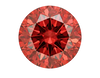
When you decide to step away from the traditional white diamond, you are immediately faced with a significant choice: do you choose a coloured diamond, or do you opt for a coloured gemstone like a ruby, sapphire, or emerald?
As a gemologist who has spent a decade in the UK diamond trade, I have sat across the table from countless people wrestling with this exact decision.
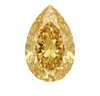
They often come in asking for a sapphire because they want a blue ring, completely unaware that a lab blue diamond is an option or conversely, they ask for a yellow diamond without realising a yellow sapphire might offer the exact look they want at a fraction of the price.
The difference between coloured diamond engagement rings and coloured gemstone rings goes far beyond just the price tag.
It comes down to durability, the way the stone interacts with light, rarity, and the reality of industry treatments.
In this guide, I will break down exactly what you need to know before you commission a bespoke engagement ring, stripping away the marketing jargon to give you the straight facts.
Table of Contents
1. The Big Three vs Fancy Coloured Diamonds
2. Durability and Hardness: The Mohs Scale Reality
3. Brilliance and Fire: How They Handle Light
4. Rarity and Pricing Structures
5. The Reality of Gemstone Treatments
6. Lab-Grown Coloured Diamonds vs Natural
7. UK Craftsmanship and Setting Coloured Stones
8. Frequently Asked Questions (FAQs)
Quick Comparison: Coloured Diamonds vs Gemstones
|
Feature |
Fancy Coloured Diamonds |
Sapphires & Rubies |
Emeralds |
|
Hardness (Mohs) |
10 (Hardest natural material) |
9 (Excellent for daily wear) |
7.5 - 8 (Requires careful wear) |
|
Brilliance/Fire |
Extremely high (High refractive index) |
Moderate to High |
Low to Moderate |
|
Rarity |
Exceptionally rare (especially natural) |
Rare (high quality unheated) |
Rare (high quality untreated) |
|
Common Treatments |
Irradiation, HPHT (for colour alteration) |
Heat treatment (very common) |
Fracture filling with oil/resin (standard) |
|
Price Point |
Highest (Natural), Moderate (Lab-grown) |
High (Natural), Low (Lab-grown) |
The Big Three vs Fancy Coloured Diamonds
When we talk about coloured gemstones in the context of engagement rings, we are almost exclusively talking about "The Big Three": Rubies, Sapphires, and Emeralds. These have been the standard for centuries.
When we talk about coloured diamonds (known in the trade as "fancy coloured diamonds"), we are talking about diamonds that have been exposed to specific trace elements or structural anomalies during their formation deep within the earth.
· Yellow diamonds get their colour from nitrogen.
· Blue diamonds get their colour from boron.
· Pink and red diamonds get their colour from intense pressure that distorts the crystal lattice.
The fundamental difference is the material itself. A diamond is pure carbon. A ruby and a sapphire are both the mineral corundum (ruby is red corundum; sapphire is every other colour of corundum). An emerald is the mineral beryl.
Because they are entirely different minerals, they behave differently on the finger, they require different care, and they are valued using completely different metrics.
Durability and Hardness: The Mohs Scale Reality
If you are buying an engagement ring, durability is the single most important factor after aesthetics. This ring is going to be worn every day, knocked against steering wheels, scraped against door frames, and exposed to household chemicals.
We measure gemstone hardness using the Mohs scale, which ranks minerals from 1 to 10 based on their ability to scratch one another.
The Diamond Advantage (Mohs 10)
Diamonds are the hardest natural material on earth, scoring a perfect 10 on the Mohs scale.
This applies to both white diamonds and fancy coloured diamonds.
A diamond can only be scratched by another diamond. This means a coloured diamond engagement ring will maintain its sharp facet edges and pristine surface polish for generations. You do not have to worry about the stone dulling over time due to surface abrasions.
Sapphires and Rubies (Mohs 9)
Corundum (sapphires and rubies) scores a 9 on the Mohs scale.
While 9 sounds very close to 10, the Mohs scale is not linear. A diamond is actually many times harder than a sapphire.
However, a score of 9 is still exceptionally durable and perfectly suitable for daily wear. If you want a natural coloured stone but cannot afford a natural coloured diamond, a sapphire or ruby is the safest alternative.
The Emerald Warning (Mohs 7.5 - 8)
Emeralds score between 7.5 and 8. While this is hard enough to scratch glass, emeralds have a critical vulnerability: they are naturally heavily included (meaning they have internal fractures and characteristics, often called the *jardin* or garden). These internal fractures make emeralds brittle.
If you hit an emerald at the wrong angle, it can chip or shatter entirely. I always advise my clients that if they choose an emerald for an engagement ring, they must be prepared to treat it with extreme care, and they should opt for a protective setting like a bezel.
Brilliance and Fire: How They Handle Light
When a client sits down with me in Hatton Garden and compares a yellow sapphire to a yellow diamond, the first thing they notice is the light return.
Refractive Index
Diamonds have a very high refractive index (2.42).
This dictates how much light is bent as it enters the stone. Furthermore, diamonds have high dispersion (fire), which is the ability to split white light into spectral colours.
Because of this, a fancy coloured diamond will sparkle, flash, and exhibit brilliance in a way that no other coloured gemstone can match.
Even a deep, intense fancy yellow diamond will throw light back at the eye with sharp, crisp flashes.
The Gemstone Glow
Coloured gemstones like rubies, sapphires, and emeralds have lower refractive indices.
They do not "sparkle" in the same way a diamond does. Instead, they offer a deep, rich, velvety glow.
The appeal of a fine Ceylon sapphire or a Burmese ruby is the saturation and purity of the colour itself, not the way it disperses light.
If you want maximum sparkle combined with colour, you must choose a coloured diamond.
If you prefer a deep, mesmerising pool of pure colour without the sharp flashes of light, a traditional gemstone is the better choice.
Rarity and Pricing Structures
The pricing of these stones is where the industry often confuses consumers.
Natural Fancy Coloured Diamonds
Natural fancy coloured diamonds are among the rarest objects on earth.
For every 10,000 near-colourless diamonds mined, only one will be a fancy colour.
Because of this extreme rarity, natural coloured diamonds command astronomical prices.
A high-quality natural fancy vivid pink or blue diamond can easily sell for hundreds of thousands, or even millions, of pounds per carat.
Even natural fancy yellow diamonds, which are the most common of the fancy colours, carry a significant premium over their white counterparts.
Natural Coloured Gemstones
High-quality, untreated rubies, sapphires, and emeralds are also incredibly rare and valuable.
A top-tier, unheated Kashmir sapphire or a Colombian emerald with no oil treatment can rival the price of a white diamond.
However, the commercial market for these stones is vast.
You can find a 1-carat blue sapphire for £500, or you can find one for £10,000. The price depends entirely on the origin, the purity of the colour, and, crucially, the treatments the stone has undergone.
The Reality of Gemstone Treatments
This is an area where transparency is often lacking in retail showrooms. When you buy a coloured stone, you must ask about treatments.
Sapphire and Ruby Treatments
The vast majority (over 90%) of sapphires and rubies on the market have been heat-treated.
Heating the rough stone to extreme temperatures improves the colour saturation and dissolves certain inclusions, improving clarity.
Heat treatment is permanent, stable, and widely accepted in the trade.
However, an *unheated* sapphire of the same colour and clarity will command a massive premium over a heated one.
Some rubies are also fracture-filled with lead glass to hide surface-reaching cracks.
I strongly advise against buying glass-filled rubies for engagement rings, as the glass can be damaged by household cleaners or even lemon juice.
Emerald Treatments
Almost all emeralds are treated with oil or resin to fill their natural surface-reaching fractures and improve clarity.
This is standard industry practice. However, this treatment is not permanent. Over time, or if exposed to ultrasonic cleaners, the oil can dry out or be stripped away, making the emerald look cloudy. It will then need to be re-oiled by a professional.
Diamond Treatments
Natural coloured diamonds should be entirely untreated. Their value lies in their natural origin.
However, there are treated coloured diamonds on the market usually white diamonds with poor colour that have been irradiated or subjected to High Pressure High Temperature (HPHT) to turn them blue, green, or yellow.
A reputable jeweller will always disclose this, and it will be clearly stated on the GIA certificate.
Lab-Grown Coloured Diamonds vs Natural
The rise of lab-grown diamonds has completely disrupted the coloured diamond market, making these once-unattainable stones accessible to a much wider audience.
When discussing lab-grown coloured diamonds, we must address the two primary growth methods: HPHT (High Pressure High Temperature) and CVD (Chemical Vapor Deposition).
The HPHT Advantage for Colour
For fancy coloured lab diamonds, particularly yellows and blues, HPHT is often the superior growth method.
· Yellow Lab Diamonds: By introducing nitrogen into the HPHT growth chamber, scientists can create stunning, vivid yellow diamonds that are chemically and optically identical to natural yellow diamonds.
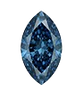
· Blue Lab Diamonds: By introducing boron into the HPHT process, they can create deep, beautiful blue diamonds.
HPHT generally produces a crisper crystal structure for these colours, resulting in excellent brilliance.
The CVD Process for Pinks
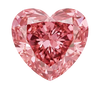
Pink lab-grown diamonds are incredibly popular. They are typically grown using the CVD method, and then subjected to a post-growth irradiation and annealing process to create the pink hue.
When sourcing a lab-grown pink diamond, you must be careful. Some CVD pinks can exhibit a brownish or greyish undertone, or show faint growth striations. It is imperative that you view the stone in natural daylight before purchasing, rather than relying solely on the grading report.
The Value Proposition
A natural fancy pink diamond might cost £100,000 per carat.
A lab-grown fancy pink diamond of the exact same chemical composition and visual beauty might cost £2,500 per carat.
For many of my clients, lab-grown coloured diamonds offer the perfect solution: the unmatched durability and brilliance of a diamond, the specific colour they desire, and a price point that allows them to allocate more of their budget to a heavy, beautifully crafted bespoke setting.
UK Craftsmanship and Setting Coloured Stones
Whether you choose a natural sapphire, an emerald, or a lab-grown yellow diamond, the way the stone is set is critical.
At Mouza, we specialise in bespoke diamond rings, and we are uncompromising in our pursuit of excellence.
This means understanding the specific needs of the stone you have chosen.
If a client chooses an emerald, we will design a setting that protects the vulnerable corners of the stone, perhaps utilising a full bezel or heavy double prongs. If a client chooses a fancy yellow diamond, we will often set the centre stone in 18k yellow gold, even if the rest of the band is platinum.
The yellow gold basket reflects through the diamond, intensifying the yellow hue and making the stone appear even more vibrant.
The Truth About Hatton Garden Manufacturing
When commissioning a bespoke ring, you must ask where it is actually being made.
Many jewellers in Hatton Garden will claim their rings are "UK made," but the reality is that the CAD design is sent to elsewhere for casting and setting, and the finished ring is simply polished in London.
We do not operate this way. Every ring we create is genuinely manufactured here in the UK. We encourage our clients to ask to see the rough casting of their ring before it is assembled and cleaned. This is the only way to verify true UK craftsmanship. We believe in educating our clients and providing absolute transparency at every stage of the bespoke process.
Frequently Asked Questions (FAQs)
Q: Are coloured diamonds more expensive than white diamonds?
Natural fancy coloured diamonds (like pink, blue, and vivid yellow) are significantly more expensive than white diamonds due to their extreme rarity. However, lab-grown coloured diamonds are often priced similarly to, or sometimes slightly higher than, lab-grown white diamonds, making them highly accessible.
Q: Can I wear an emerald engagement ring every day?
You can, but you must do so with extreme caution. Emeralds are brittle (7.5-8 on the Mohs scale) and often heavily included. They can chip or crack if struck against a hard surface. If you want a green stone for daily wear, a green sapphire or a green lab-grown diamond is a much safer, more durable choice.
Q: Do lab-grown coloured diamonds fade over time?
No. The colour in a lab-grown diamond (whether created during the growth process like HPHT yellows and blues, or through post-growth treatment like CVD pinks) is permanent and structurally stable. It will never fade, change, or dull over time.
Q: Why is my jeweller suggesting a yellow gold setting for my yellow diamond?
Setting a yellow diamond in a yellow gold basket or cup is a standard industry technique. The yellow metal reflects light back into the stone, enhancing its natural colour and making it appear more saturated. The rest of the ring (the shank) can still be made of platinum or white gold.
Q: How can I tell if a ruby or sapphire has been heat-treated?
Assume that any ruby or sapphire you look at has been heat-treated unless it comes with a certificate from a reputable gemological laboratory (like GIA, SSEF, or Gübelin) explicitly stating that there are "no indications of heating." Unheated stones command a significant price premium.
Q: Are coloured gemstones graded by the 4Cs like diamonds?
While cut, clarity, and carat weight matter, colour is by far the most important factor for a coloured gemstone. Unlike diamonds, which have a strict grading scale (D-Z), coloured gemstones are evaluated on their hue (the actual colour), tone (how light or dark it is), and saturation (the intensity of the colour).
The Investment Perspective: Coloured Diamonds vs Gemstones
When clients sit down with me to discuss a bespoke engagement ring, the conversation often turns to value retention and investment potential. While an engagement ring is primarily an emotional purchase, it is also a significant financial one. Understanding how the market values these stones over time is crucial.
The Natural Fancy Coloured Diamond Market
Natural fancy coloured diamonds operate in a completely different economic sphere than white diamonds or traditional gemstones. Because their supply is so incredibly limited and because major sources like the Argyle mine in Australia (famous for pink diamonds) have closed their value has historically shown strong, consistent appreciation.
For high-net-worth individuals, natural pink, blue, and vivid yellow diamonds are often viewed as a tangible asset class. They are highly portable, globally recognised stores of wealth. However, this investment potential only applies to natural stones of exceptional quality, accompanied by a GIA certificate confirming their natural origin and colour.
The Traditional Gemstone Market
The investment market for rubies, sapphires, and emeralds is equally robust, but it is heavily dependent on two factors: origin and treatment.
A 5-carat unheated Burmese ruby or a Kashmir sapphire will almost certainly appreciate in value, as these stones are exceptionally rare and highly sought after by collectors and auction houses. However, a standard, heat-treated commercial sapphire while beautiful and valuable should not be viewed as a financial investment. It will hold intrinsic value, but it is unlikely to appreciate significantly over time.
The Lab-Grown Reality
It is vital to understand that lab-grown coloured diamonds, while stunning and chemically identical to natural diamonds, are not financial investments. Because they can be manufactured in a laboratory, their supply is not constrained by nature. As technology improves and production scales, the cost of lab-grown diamonds has decreased.
When you purchase a lab-grown pink or yellow diamond, you are paying for the beauty, the durability, and the immediate enjoyment of the stone, not its future resale value. For many clients, the massive upfront savings compared to a natural stone make this a highly attractive proposition.
Choosing the Right Setting Style
The setting you choose for your coloured stone will dramatically impact its final appearance. A bespoke design allows us to manipulate light and metal to enhance the gem.
The Halo Setting
A halo setting where a central coloured stone is surrounded by a ring of smaller white diamonds is incredibly popular for both coloured diamonds and gemstones. The brilliant white sparkle of the surrounding diamonds creates a stark contrast that makes the central colour pop. For a sapphire or ruby, a diamond halo adds the brilliance that the centre stone naturally lacks.
The Three-Stone Setting
A three-stone ring, featuring a coloured centre stone flanked by two white diamonds (often trapezoids, half-moons, or pears), is a classic, elegant choice. This style balances the intense colour of the centre gem with the bright, icy flash of the side stones. It is a particularly effective setting for emerald-cut or cushion-cut coloured diamonds.
The Solitaire
Setting a coloured stone as a solitaire requires a gem of exceptional quality, as there are no surrounding diamonds to distract the eye. For a fancy vivid yellow diamond or a top-tier unheated sapphire, a simple, elegant platinum or 18k gold solitaire allows the pure colour of the stone to take centre stage.
Amr Ramadan | DGA, Gem-A London | Founder of Mouza Fine Jewellery and Hatton Garden jeweller with 10 years in the UK diamond trade. I help people understand what they're actually buying before they spend their hard earned money. No sales pitch. Just genuine education.
